Fact-checked by the The Finance Tree editorial team
Quick Answer
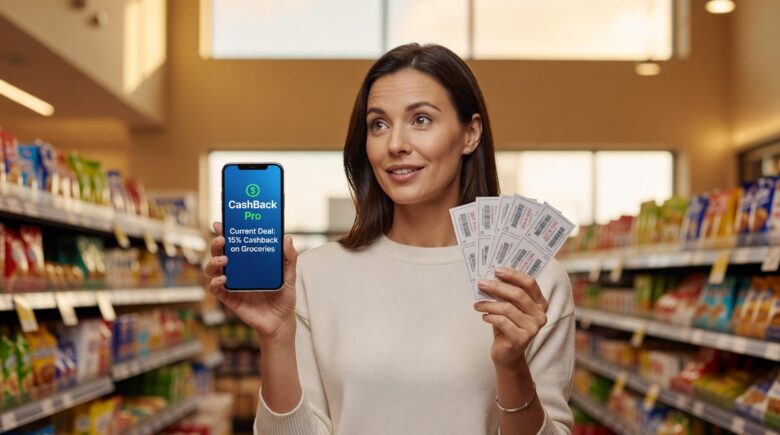
In July 2025, cash back rewards typically outperform traditional coupons for most shoppers. Cash back cards return 1.5%–6% on every purchase automatically, while the average coupon saves shoppers roughly $1.57 per coupon redeemed. The best strategy combines both — but if you must choose one, cash back wins for convenience and consistent returns.
The cash back vs coupons debate comes down to one question: do you want passive savings or active savings? Cash back requires almost no effort — you spend, you earn. Coupons require time to source, organize, and redeem. According to Statista’s U.S. coupon market data, over 2.5 billion manufacturer coupons were redeemed in the United States in a recent year, proving coupons are still very much alive.
But alive doesn’t mean optimal. Understanding how each method performs across spending categories is what separates strategic savers from casual ones.
How Does Cash Back Actually Work?
Cash back rewards return a percentage of your spending as real money — no codes, no clipping, no expiration chasing. Most cash back credit cards offer a flat 1.5% on all purchases, while tiered cards like the American Express Blue Cash Preferred return up to 6% on U.S. supermarket purchases.
The mechanics are straightforward. Every qualifying transaction earns a rebate, deposited as a statement credit, check, or direct deposit. Cards from issuers like Chase, Discover, and Capital One dominate this space, each with slightly different earn structures. The Consumer Financial Protection Bureau (CFPB) notes that rewards cards are the most popular credit card category in the U.S.
Cash Back Apps and Browser Extensions
Beyond credit cards, apps like Rakuten, Ibotta, and Fetch Rewards layer additional cash back onto purchases at thousands of retailers. Rakuten alone has paid out over $3 billion in cash back to members, according to the company. These tools work alongside — not instead of — a cash back credit card, multiplying your return per dollar spent.
If you want to go deeper on using digital tools to lower your costs, our guide on how to shop smarter online with price tracking tools covers browser extensions and timing strategies that complement cash back perfectly.
Key Takeaway: Cash back credit cards return 1.5%–6% on purchases automatically, and stacking them with apps like Rakuten can add even more. According to the CFPB, rewards cards are the most-held card type in the U.S. — meaning this approach is already mainstream and accessible.
Do Coupons Still Save Meaningful Money?
Yes — but only when used strategically. Traditional paper coupons have largely shifted digital, and platforms like Coupons.com, RetailMeNot, and grocery store apps now deliver discounts directly to your phone. The savings per coupon are real: industry research shows the average face value of a digital grocery coupon is approximately $1.57.
Where coupons genuinely shine is in targeted, category-specific savings. A 30% off coupon on a $50 item beats any cash back card’s return outright. Extreme couponers — think the strategies popularized by TLC’s “Extreme Couponing” — can slash grocery bills by 50% or more, but this requires significant weekly time investment, typically 10–20 hours.
Digital Coupons vs. Paper Coupons
Digital coupons now account for the majority of coupon redemptions in the U.S., and for good reason: they clip automatically at checkout with no paper required. Store loyalty apps from retailers like Kroger, Target, and CVS load personalized digital coupons based on your purchase history. If you haven’t maximized loyalty programs yet, read our breakdown of how to use store loyalty programs to actually save money.
Key Takeaway: The average digital grocery coupon saves approximately $1.57 per redemption, according to coupon industry data. Coupons deliver outsized savings on specific, high-value items — but they require active effort and organization that cash back does not.
Cash Back vs. Coupons: How Do They Compare by Category?
The winner between cash back vs coupons changes depending on what you’re buying. Groceries, gas, dining, and online retail each have different dynamics. Below is a direct comparison across the categories where shoppers spend most.
| Spending Category | Best Cash Back Rate | Typical Coupon Savings | Winner |
|---|---|---|---|
| Groceries | 6% (Amex Blue Cash Preferred) | 10%–30% per item | Coupons (when stacked) |
| Gas | 3%–5% (various cards) | $0.05–$0.10/gallon | Cash Back |
| Online Retail | 3%–10% (via Rakuten + card) | 10%–20% promo codes | Tie (stack both) |
| Dining | 3%–4% (Chase Sapphire, Amex Gold) | Rarely available | Cash Back |
| Prescription Drugs | 1%–2% | Up to 80% (GoodRx) | Coupons (by a wide margin) |
| Clothing | 2%–5% | 20%–40% seasonal sales | Coupons (for large purchases) |
The table reveals a clear pattern: cash back wins for automatic, recurring categories like gas and dining. Coupons win when you’re buying a specific item at a known high discount. Prescription drug savings through GoodRx are in a category entirely their own — no cash back card comes close to 80% off a single prescription.
“The smartest consumers don’t choose between cash back and coupons — they engineer their spending so both rewards stack. But if someone is starting from zero, a flat-rate cash back card is the highest-leverage move for the least effort.”
Key Takeaway: No single method dominates every category. Cash back returns up to 6% on groceries with the right card, but coupons can save 30%+ on specific items. Per Bankrate’s cash back analysis, stacking both strategies is the highest-return approach for active shoppers.
What Are the Hidden Costs of Each Strategy?
Both cash back and coupons carry hidden costs that erode their value. Ignoring these is one of the most common mistakes budget-conscious shoppers make.
With cash back credit cards, the most significant hidden cost is interest charges. If you carry a balance, the average credit card APR of 21.51% as reported by the Federal Reserve’s G.19 consumer credit data will obliterate any cash back earned. A 2% cash back return is meaningless when you’re paying 21% interest. Annual fees also matter — the Amex Blue Cash Preferred charges $95/year, which requires at least $1,584 in annual supermarket spending just to break even.
The Time Cost of Couponing
Couponing has its own hidden cost: time. Sourcing deals, matching coupons to sales, and organizing redemptions can take hours each week. When you calculate your effective hourly rate of savings — say, $20 saved over three hours of work — the return may be below your personal time value. Casual couponing takes far less time but also delivers far less savings.
Lifestyle costs matter too. Coupons can drive impulse buying — purchasing items simply because they’re discounted, not because you need them. This is the coupon paradox: you “save” money on something you wouldn’t have bought otherwise. If overspending is a recurring issue, the framework in our article on wants vs. needs and intentional spending is worth reading before leaning hard into coupon strategies.
Key Takeaway: Carrying a credit card balance at the average APR of 21.51% — per Federal Reserve data — makes cash back mathematically worthless. Coupons risk impulse spending. Both strategies require discipline to deliver their advertised savings.
Which Strategy Wins for Your Spending Profile?
In the cash back vs coupons matchup, the “winner” is entirely dependent on your spending habits, discipline, and available time. Neither strategy is universally superior.
Cash back is the default winner for most Americans because it requires no behavioral change. You spend as you normally would and earn a return automatically. A household spending $3,000/month on a 2% flat cash back card earns $720/year with zero extra effort. That’s a meaningful figure — roughly equivalent to a month of groceries for many families.
Couponing beats cash back for shoppers who are organized, patient, and focused on specific high-discount categories — particularly groceries and pharmaceuticals. The best approach, as Ted Rossman noted, is to stack both. Use a cash back card as your payment method, apply digital coupons at checkout, and add a cash back portal like Rakuten for online purchases. This three-layer stack can yield 10%–15% total savings on grocery orders when done correctly.
For shoppers working to build broader financial stability, reducing everyday spending through cash back or coupons pairs well with larger-picture habits. Our guide on how to stop living paycheck to paycheck covers how to redirect small savings wins into a lasting financial buffer. And if you want to track whether these savings strategies are actually moving the needle, see our primer on how to track your net worth.
Key Takeaway: A household charging $3,000/month on a 2% cash back card earns $720/year passively. Stacking digital coupons and a cash back portal on top can push total grocery savings to 10%–15%, per Bankrate’s rewards card research.
Frequently Asked Questions
Is cash back or coupons better for saving money on groceries?
For most shoppers, combining both yields the best results on groceries. A cash back card like the Amex Blue Cash Preferred returns 6% at U.S. supermarkets, while store digital coupons can add another 10%–30% off specific items. Stack them together for maximum savings.
Do cash back credit cards actually save you money?
Yes — but only if you pay your balance in full each month. Carrying a balance at the average APR of 21.51% eliminates any cash back earned. Used responsibly, a 2% flat cash back card returns hundreds of dollars per year with no behavior change required.
Are coupons worth the time it takes to use them?
It depends on your time value and shopping habits. Casual digital couponing (clipping loyalty app offers in under 10 minutes) is almost always worth it. Extreme couponing requiring 10–20 hours per week is only worth it if your time is not otherwise productive or you have a very large household to feed.
Can you use cash back and coupons at the same time?
Yes, and this is the recommended approach. Pay with a cash back credit card, apply digital or paper coupons at checkout, and route online purchases through a cash back portal like Rakuten. All three can apply to the same transaction without conflict.
What is the best cash back credit card for everyday spending?
For flat-rate simplicity, the Citi Double Cash Card and Wells Fargo Active Cash both offer 2% cash back on all purchases with no category restrictions. For category maximizers, the Amex Blue Cash Preferred offers 6% at U.S. supermarkets and 3% at gas stations, though it carries a $95 annual fee.
Are digital coupons better than paper coupons?
For most shoppers, yes. Digital coupons clip automatically, cannot be forgotten at home, and are often personalized to items you already buy. Apps from Kroger, Target Circle, and CVS ExtraCare load relevant offers directly to your account, making redemption frictionless.
Sources
- Federal Reserve — G.19 Consumer Credit Statistical Release
- Consumer Financial Protection Bureau (CFPB) — Credit Cards Consumer Tools
- Bankrate — Best Cash Back Credit Cards
- Statista — Coupon Market in the United States
- CouponBirds — Coupon Industry Statistics
- NerdWallet — Best Cash Back Credit Cards
- GoodRx — How Prescription Discount Coupons Work