
You’ve just checked your bank account and somehow — again — you’re $300 short before the month is even over. Sound familiar? The envelope budgeting method is one of the oldest and most effective ways to stop that cycle cold. It forces you to spend only what you’ve physically set aside, category by category, before the month begins.
According to a NerdWallet survey on American financial habits, 83% of Americans say they overspend in at least one budget category each month. In this guide, you’ll learn exactly how the envelope method works, how to set it up, and how to make it stick — even if you’ve failed at budgeting before.
Key Takeaways
- The envelope budgeting method allocates cash into labeled envelopes by spending category — when the envelope is empty, spending stops for that category.
- Studies show people spend up to 83% more when using credit cards versus cash, making physical envelopes a powerful spending brake.
- You can use digital versions of the envelope method through apps like YNAB or Goodbudget if carrying cash isn’t practical.
- Most people see a meaningful reduction in discretionary overspending within their first 30 days of using the envelope system.
What Is the Envelope Budgeting Method?
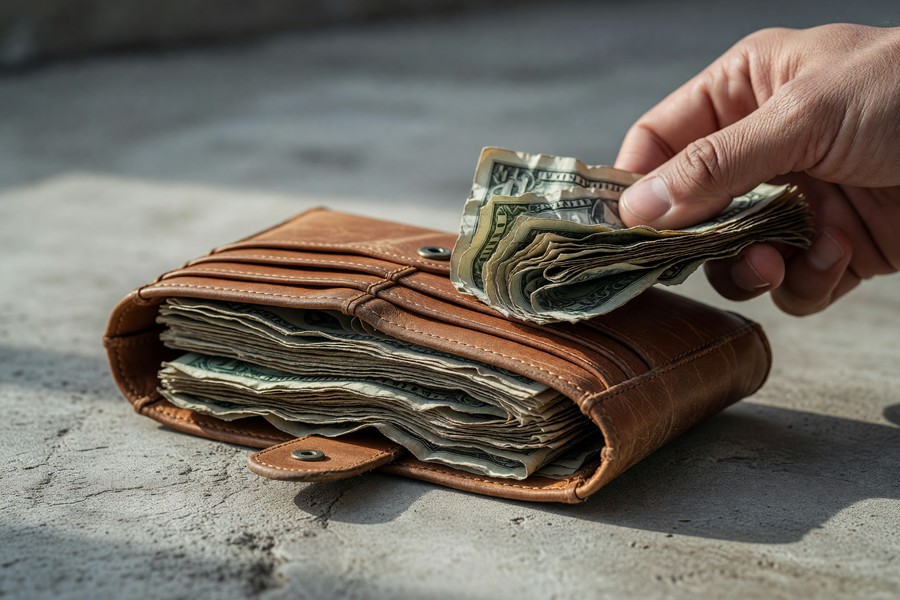
The envelope budgeting method is a cash-based budgeting system where you divide your take-home pay into physical envelopes, each labeled for a specific spending category. Common categories include groceries, dining out, gas, entertainment, and clothing. Once the cash in an envelope runs out, you don’t spend any more in that category until next month.
The system was popularized by personal finance author Dave Ramsey, but the concept dates back generations. It works because it makes the cost of every purchase feel immediate and tangible. Swiping a card doesn’t trigger the same mental response as handing over physical bills.
Why the Envelope Budgeting Method Works So Well
The core reason this method works is rooted in behavioral economics. A study published in the Journal of Experimental Psychology found that paying with cash creates a stronger emotional response — sometimes called the “pain of paying” — which naturally curbs impulse spending.
Credit and debit cards create psychological distance from money. Cash does the opposite. When you watch your grocery envelope shrink from $400 to $80 by the third week of the month, it changes how you make decisions at the store.
The Role of Spending Limits
Hard limits are what make this system different from a standard budget. A written budget tells you what you plan to spend. The envelope method enforces what you actually spend. That enforcement is everything.
Without a hard boundary, most people will rationalize small overages. “I’ll make it up next month” is how overspending becomes chronic. The empty envelope removes that option entirely.
How to Set Up the Envelope Budgeting Method Step by Step
Getting started takes less than an hour. The key is setting realistic amounts for each envelope — not what you wish you spent, but what you actually tend to spend. Review your last two or three bank statements before you begin.
Step 1: Calculate Your Monthly Take-Home Pay
Start with your net income — what actually hits your account after taxes and deductions. If your income varies, use a conservative estimate based on your lowest recent months. Creating a solid monthly budget foundation will make this step easier.
Step 2: List Your Spending Categories
Write down every category where you spend money. Start with fixed expenses like rent and utilities — those don’t go in envelopes since they’re set amounts paid by check or auto-draft. Envelopes are for variable, day-to-day spending categories.
Common envelope categories include:
- Groceries
- Dining out and takeout
- Gas and transportation
- Entertainment and hobbies
- Clothing and personal care
- Household supplies
- Medical co-pays and prescriptions
Step 3: Assign a Dollar Amount to Each Envelope
Divide your remaining income (after fixed bills) among your envelopes. Make sure the total doesn’t exceed what you have left. If it does, trim discretionary categories first — not your savings or emergency fund contributions.
If you’re trying to eliminate debt at the same time, check out strategies like the debt avalanche method to build a payoff plan alongside your envelope budget.
Step 4: Withdraw Cash and Fill Your Envelopes
On payday, go to the bank or ATM and withdraw the total amount allocated to your envelopes. Label each envelope clearly and fill them with the right amount. Keep your envelopes somewhere accessible but secure — a small accordion folder or budget binder works well.
Step 5: Spend Only From the Envelope
When you go to the grocery store, bring only your grocery envelope. When the cash is gone, it’s gone. This is non-negotiable — the moment you start borrowing from other envelopes “just this once,” the system loses its power.
Digital Alternatives to Physical Envelopes
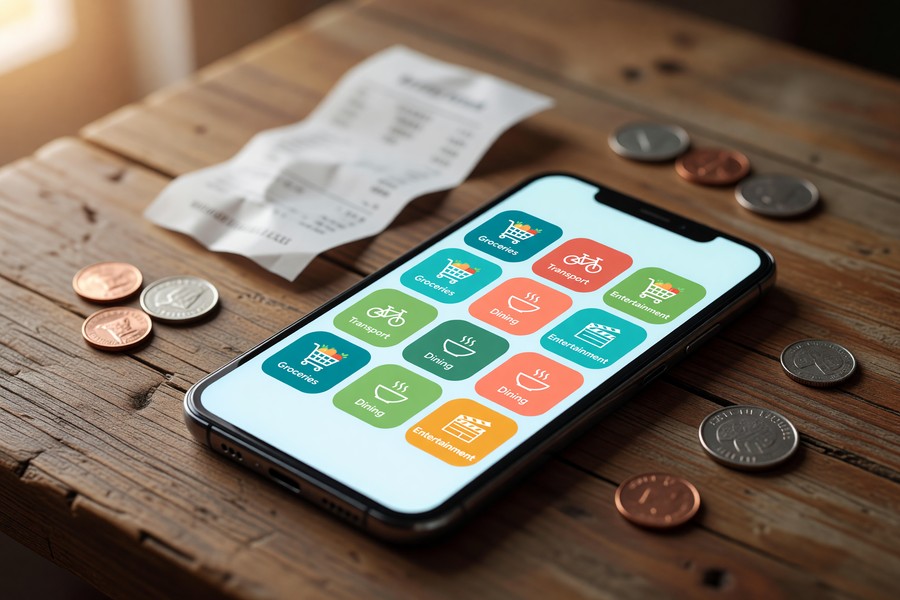
If carrying cash feels impractical, digital versions of the envelope budgeting method can deliver the same results. Apps like YNAB (You Need A Budget) and Goodbudget replicate the envelope system entirely within your phone. You assign every dollar to a category before spending it.
The key is treating digital envelopes with the same discipline as physical ones. It’s easier to “move money between envelopes” in an app, so you’ll need to be honest with yourself about why you’re doing it. Occasional reallocation is fine — constant reallocation is a red flag.
Pair digital envelope tracking with a high-yield savings account to keep your envelope “savings” categories growing with interest between spending cycles.
Common Mistakes to Avoid With Envelope Budgeting
The biggest mistake is setting unrealistic envelope amounts in the first month. If you’ve been spending $600 on groceries and you give yourself $300, you’ll blow the envelope by week two and feel like a failure. Start with realistic amounts, then tighten them over time.
Another common pitfall is ignoring irregular expenses. Car repairs, annual subscriptions, and medical costs don’t show up every month — but they will show up. Create a separate “sinking fund” envelope (or savings sub-account) for these predictable surprises. Learning how to build an emergency fund alongside your envelopes protects you when those unexpected bills hit.
Finally, giving up after one bad month is the most common reason people abandon the system. Every budget takes two to three months to calibrate. Stick with it, adjust your amounts, and track what tripped you up.
How Envelope Budgeting Targets Overspending Directly
Most budget systems diagnose overspending after the fact. The envelope budgeting method prevents it in real time. You can’t overspend a category if there’s no money left in the envelope. This is the only system that creates a physical spending stop point.
For people who struggle with impulse buying, this is especially powerful. When you only bring your dining-out envelope to a restaurant, you can’t rationalize a $90 tab when you’ve only got $40 left for the week. The constraint is built in.
The Consumer Financial Protection Bureau recommends cash-based budgeting techniques for consumers working to rebuild financial control — and the envelope method fits squarely within that framework.
Frequently Asked Questions
Is the envelope budgeting method only for people in debt?
Not at all. The envelope method works for anyone who wants more control over where their money goes — whether you’re debt-free, saving for a goal, or trying to cut lifestyle inflation. It’s especially useful for people who feel like money “just disappears” each month.
What do I do if I run out of cash in an envelope mid-month?
First, stop spending in that category. Then review why the envelope ran out — was your allocation too low, or did you overspend? You can shift money from a lower-priority envelope in a true emergency, but treat it as a loan you account for next month. Never pull from savings unless it’s a genuine emergency.
Can I use the envelope method if I get paid biweekly?
Yes. Simply divide your monthly envelope totals in half and fill envelopes on each payday. Some people also prefer a biweekly envelope system rather than monthly — especially for groceries and gas. The key is consistency, not the exact interval.
How does the envelope method work with bills that are paid online?
Fixed bills paid online or by auto-draft don’t need a physical envelope. Subtract those from your income first, then create envelopes only for your variable spending categories. You can keep a small “bills” envelope if you need a visual reminder of money already spoken for.
Is the zero-based budget the same as the envelope method?
They’re closely related but not identical. A zero-based budget assigns every dollar a job until your income minus expenses equals zero. The envelope method is one way to execute a zero-based budget — using physical or digital envelopes to enforce those assignments. You can use zero-based budgeting principles with or without envelopes.
Sources
- NerdWallet — How Do Americans Feel About Their Finances?
- American Psychological Association — Journal of Experimental Psychology: Pain of Paying Study
- Consumer Financial Protection Bureau — Budgeting Tools and Resources
- Federal Reserve — Economic Well-Being of U.S. Households: Dealing With Unexpected Expenses
- Bureau of Labor Statistics — Consumer Expenditure Survey Annual Report