Key Takeaways
- Winter driving increases your vehicle’s operating costs in ways most owners don’t account for: fuel economy drops, tire wear accelerates, battery failures spike, and collision risk rises — all of which affect your insurance and maintenance budget.
- A pre-winter vehicle checkup ($80–$150 at most shops) that catches a weak battery, worn wiper blades, or low tire tread can prevent a $400–$3,000 breakdown or accident during the coldest months.
- Comprehensive auto insurance is more valuable in winter — verify your coverage includes rental car reimbursement and roadside assistance before the season starts, not after you need it.
- If you carry an auto loan, gap insurance becomes particularly important in winter given the higher collision risk — confirm whether your lender requires it and whether you have it.
Table of Contents
The Real Cost of Winter Driving
Most drivers think about their car in winter only when something goes wrong. I take a different approach — I run a winter cost audit every October and build the expected seasonal costs into my budget. The difference between reactive and proactive winter car management is often $1,500–$3,000 in avoided emergency expenses, and the peace of mind from knowing your vehicle is ready for the season is genuinely worth the effort.
Winter increases vehicle operating costs across almost every dimension. Cold temperatures reduce battery performance by up to 35%, causing failures in batteries that were fine all summer. Fuel economy drops 15–25% in cold weather due to engine warm-up requirements, cold air density, and increased rolling resistance. Tires lose 1 PSI of pressure for every 10°F temperature drop, affecting both safety and fuel efficiency. And collision rates rise with snow and ice — according to the Federal Highway Administration, weather-related crashes account for over 1.2 million accidents per year, with winter conditions a primary contributor.
⚡ Pro Tip
Have your car battery tested in October — before the first cold snap, not after your car won’t start. Auto parts stores (AutoZone, O’Reilly, Advance Auto Parts) do free battery tests in the parking lot in about 10 minutes. A battery showing 60–70% capacity in October will very likely fail in January when cold temperatures reduce battery performance by up to 35%. Replacing a $150 battery proactively beats a $300 tow truck call and a missed day of work.
The Pre-Winter Maintenance Checklist
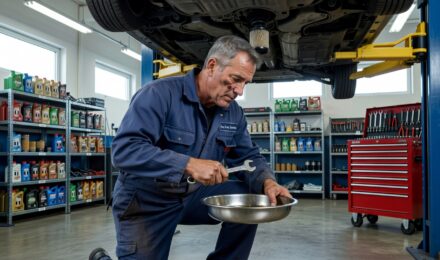
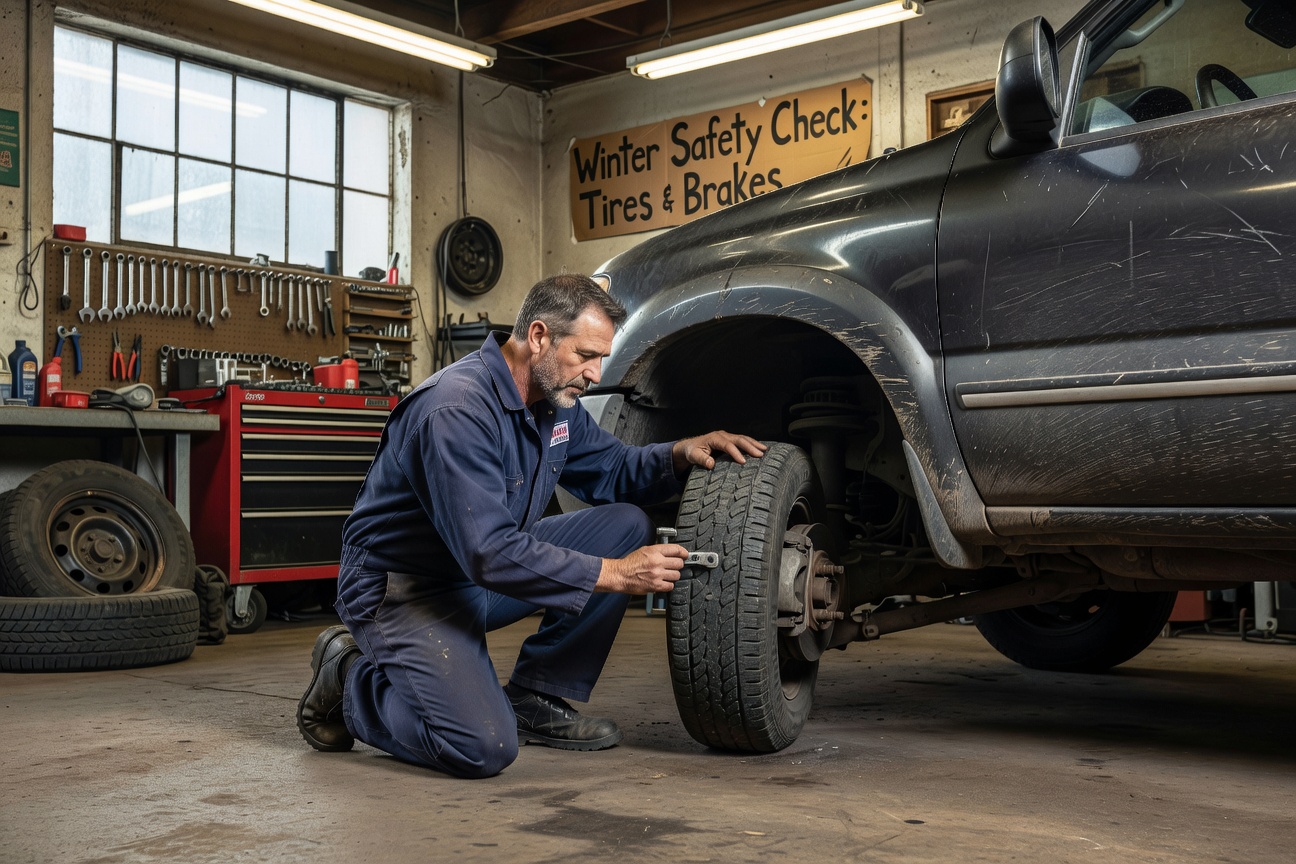
A systematic pre-winter inspection takes about 2 hours and costs $80–$150 at most shops — significantly less than a single tow truck call or roadside breakdown. The items that matter most: battery test and replacement if needed (the single most common winter failure), coolant/antifreeze level and freeze protection rating, tire tread depth and inflation (check all four plus the spare), wiper blades and washer fluid, brakes (winter driving demands more from your brakes), and all exterior lights including fog lights if equipped.
You can DIY much of this inspection. Tire tread depth: insert a quarter upside down into the tread groove — if you can see the top of Washington’s head, you’re below 4/32″ and need new tires before winter. Wiper blades: run them dry on a dusty windshield and look for streaking or skipping. Battery: free test at any auto parts store. These five minutes of inspection can identify the two or three issues most likely to leave you stranded in January.
Tires: All-Season vs. Winter
This is the most consequential winter car decision for drivers in cold climates. All-season tires are a reasonable compromise for mild winters with occasional snow. For areas with regular snowfall, temperatures below 45°F for months at a time, or any icy roads, dedicated winter tires provide substantially better traction, braking, and handling performance — the difference isn’t marginal, it’s significant enough that it affects accident probability.
Winter tires are an investment: a set of four costs $400–$1,200 depending on vehicle and brand. But amortized over the 4–6 seasons a good winter tire set lasts, the annual cost is $80–$200 — often less than the deductible on a single winter fender-bender. If you live in a climate where winter tires make sense, budget for them as an annual line item rather than treating them as an optional luxury. Store your summer/all-season set off the vehicle during winter months to extend their life simultaneously.
| Cost Category | Typical Winter Cost | Prevention/Mitigation |
|---|---|---|
| Battery Replacement | $150–$300 | Free test in October; replace proactively |
| Tire Chains / Snow Tires | $400–$1,200 (seasonal) | Budget annually; winter tires last 3–5 seasons |
| Extra Fuel Costs | $15–$40/month added | Proper tire inflation; limit cold idling |
| Insurance Rate Increase | Varies; higher after winter claim | Verify comp/collision before season starts |
| Pre-Winter Inspection | $80–$150 | Prevents $500–$3,000 breakdowns |
| Total winter prep budget: $300–$600 proactively can prevent $2,000–$5,000 in reactive costs from breakdowns, accidents, and emergency tows. | ||
Winter and Your Auto Insurance
Before the first snowfall, spend 20 minutes reviewing your auto insurance coverage. Two items matter most. First: do you have comprehensive and collision coverage? Collision covers damage from accidents; comprehensive covers everything else — including hail, a tree branch falling on your car during a storm, or a hit-and-run in a snowy parking lot. If your car is financed, your lender requires both. If you own the car outright, evaluate whether the coverage is worth the premium given the vehicle’s current value.
Second: check whether your policy includes rental car reimbursement and roadside assistance. Winter breakdowns often mean waiting for a tow in the cold — roadside assistance coverage makes that call free. Rental car coverage means you’re not out of pocket during a multi-day repair. Both are inexpensive add-ons to most policies ($10–$30/year each) and genuinely valuable when winter conditions do their damage. For a comprehensive look at car ownership costs beyond insurance, see our car lease vs. buy analysis.
Fuel Economy and Winter Driving Costs
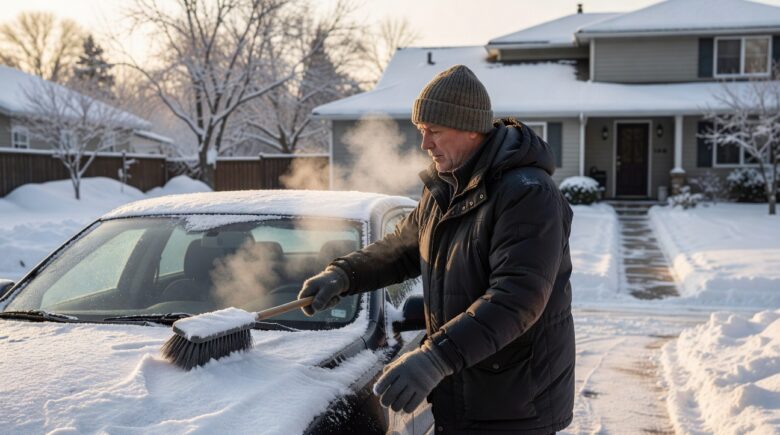
Your car burns more fuel in winter — full stop. The physics are unavoidable: cold-start fuel enrichment, longer engine warm-up periods, increased aerodynamic drag from cold dense air, higher rolling resistance from cold tires, and more frequent use of the defroster and heated seats (in electric vehicles, battery range drops significantly in cold temperatures for the same reasons). The U.S. Department of Energy estimates fuel economy drops 15–25% in typical cold weather for conventional vehicles and up to 40% for EVs on short trips.
Practical mitigations: keep tires properly inflated (check monthly in winter — they lose pressure continuously in the cold), minimize cold idling (modern fuel-injected engines warm up faster through gentle driving than idling), and consolidate short trips where possible (cold starts are the most fuel-intensive driving scenario). The savings from these habits are modest per trip but meaningful across an entire winter season.
⚡ Pro Tip
If you’re financing your vehicle, call your lender and ask whether gap insurance is required under your loan terms. If it’s not already included, compare the dealer’s add-on gap insurance price ($400–$800 for the loan term) against your auto insurer’s gap coverage add-on (often $20–$40/year). Insurer gap coverage is almost always cheaper than the dealer version. Don’t pay $600 for something your insurer offers for $30 per year.
Auto Loans and Gap Insurance in Winter
If you’re financing a vehicle — especially a newer one purchased with a small down payment — gap insurance deserves your attention before winter. Here’s the problem gap insurance solves: new vehicles depreciate quickly, and if your car is totaled in a winter accident, your collision insurance pays the current market value of the vehicle. If that value is less than your remaining loan balance (common in the first two to three years of ownership), you still owe the difference to your lender — often $2,000–$8,000 — even though the car is gone.
Gap insurance covers that difference. It’s most valuable in your first two to three years of ownership on a vehicle purchased with less than 20% down. After that, equity typically exceeds the gap risk. Whether you get gap coverage through your lender at loan origination, your auto insurer as a policy add-on, or a standalone policy, compare prices before buying — insurer gap coverage is typically far cheaper than the dealer version bundled into the loan. For related auto finance guidance see our piece on auto loan rates and buyer strategy in 2026.
Budgeting for Winter Automotive Costs
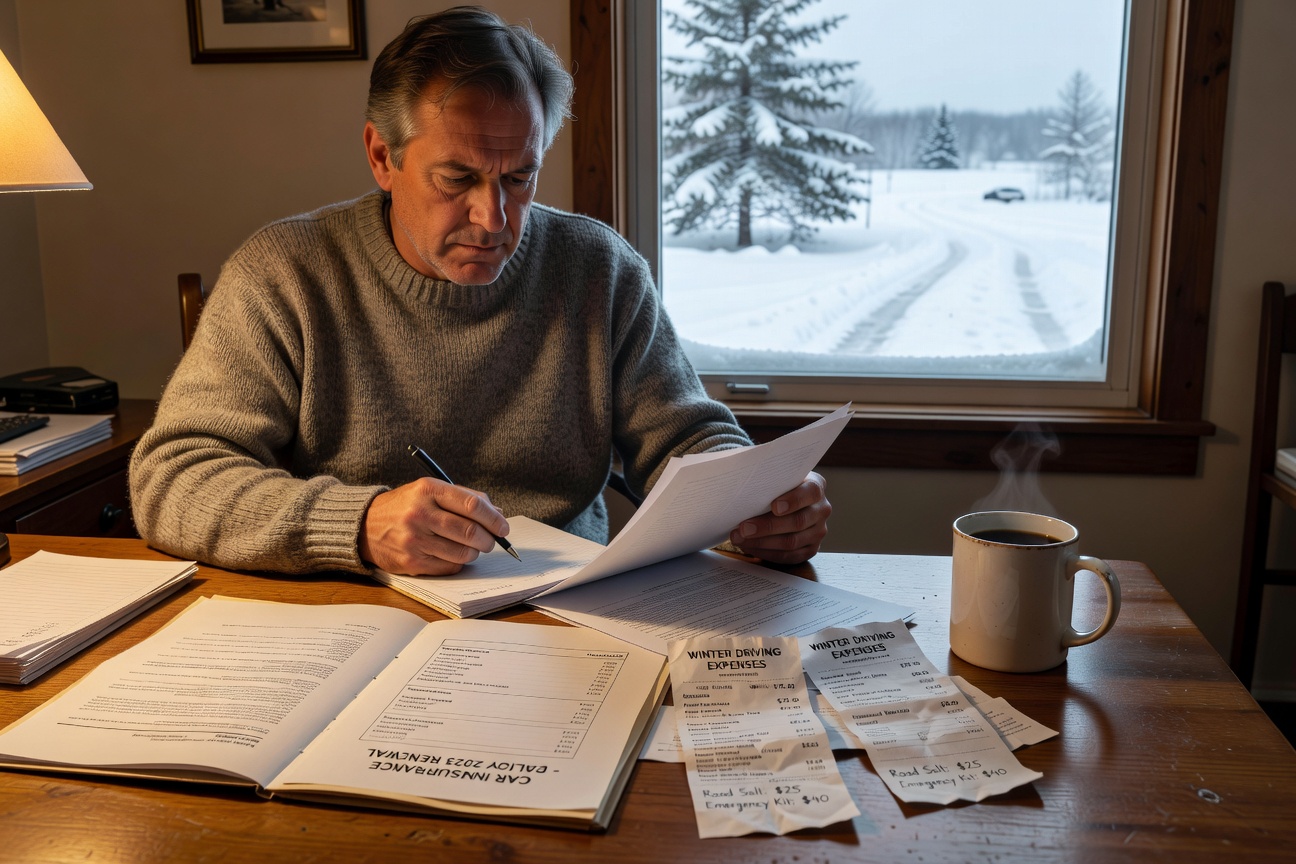
Build a winter car budget line item. Figure $300–$500 for proactive maintenance and preparation (battery, inspection, wiper blades, washer fluid). Add tire costs if applicable to your climate. Add the insurance add-ons you decide to carry. Set aside a $500–$1,000 emergency buffer specifically for automotive surprises — because winter will find any weakness in your vehicle that summer missed.
The mindset shift that saves money: treating winter car preparation as a planned expense rather than a surprise cost. Every time you spend $150 proactively on a pre-winter inspection that catches something, you’re buying a very good chance at avoiding a $1,500 emergency. Over a driving lifetime, that trade pays off consistently.
References
- Federal Highway Administration (2025). “How Do Weather Events Impact Roads?” fhwa.dot.gov
- U.S. Department of Energy (2025). “Cold Weather and Fuel Economy.” fueleconomy.gov
- Consumer Financial Protection Bureau (2025). “Auto Insurance.” consumerfinance.gov
- Investopedia (2025). “Gap Insurance.” investopedia.com