
Key Takeaways
- Leasing almost always produces a lower monthly payment than buying — but you own nothing at the end, face mileage penalties if you drive more than allowed, and can’t build equity in the vehicle.
- Buying is more expensive upfront and monthly, but builds equity over time and becomes cost-free once the loan is paid off — making ownership dramatically cheaper in years 6 through 10+ compared to perpetual leasing.
- The total cost of perpetual leasing (always driving a new car, always having a payment) is significantly higher over a 10-year period than buying and holding a reliable vehicle.
- Leasing makes the most sense for business owners who can deduct lease payments, drivers who want a new car every 2–3 years, and people who drive predictable, modest annual mileage.
Table of Contents
How Leasing Actually Works
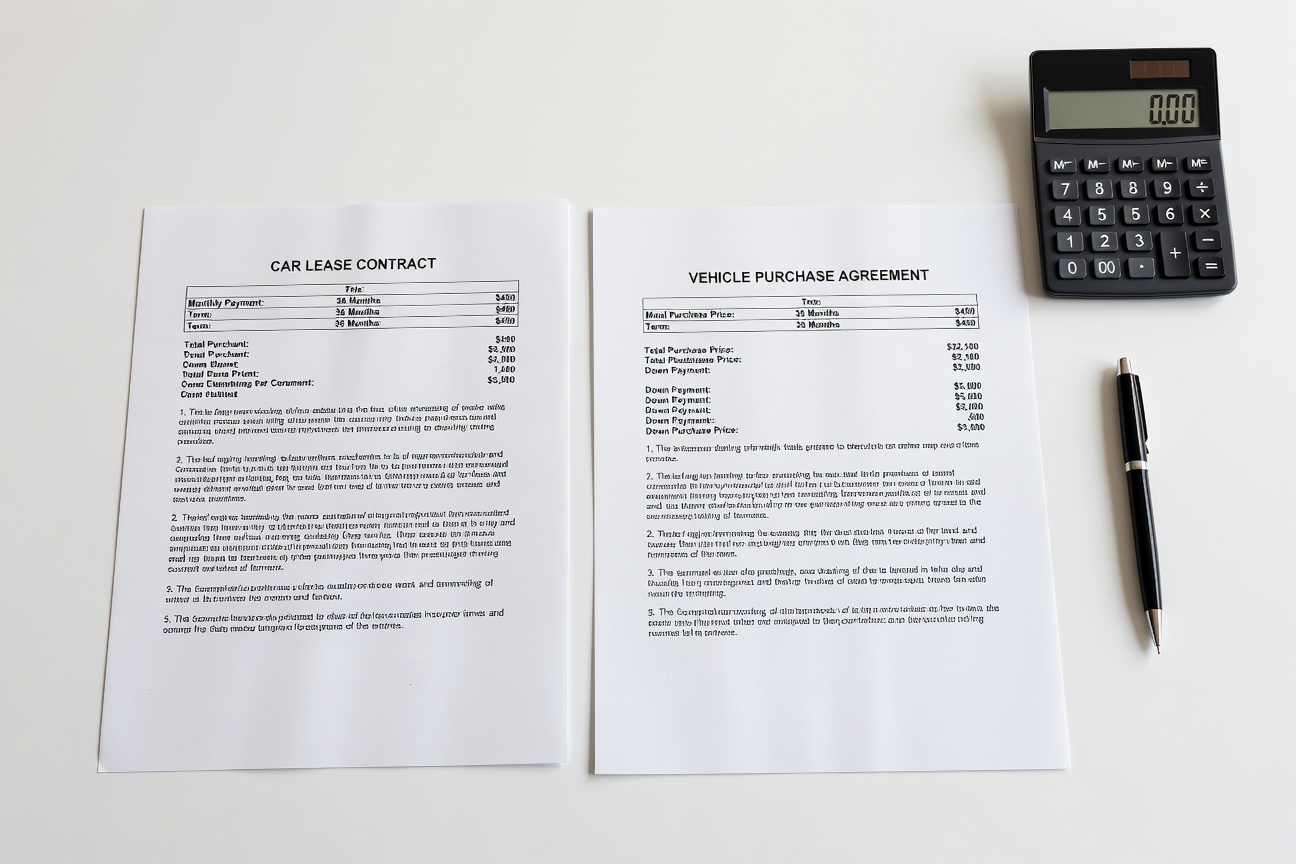
A car lease is essentially a long-term rental with defined terms. You pay for the vehicle’s depreciation during the lease period — not the full vehicle cost. Here’s the key math: if a $38,000 car is projected to be worth $23,000 at the end of a 36-month lease, you’re financing $15,000 of depreciation plus a finance charge (called the money factor, which converts to an interest rate). That’s why lease payments are lower than loan payments on the same vehicle — you’re paying for less of the vehicle’s value.
At the end of the lease, you return the car and walk away — or you can purchase it at the predetermined residual value. The dealer keeps the vehicle; you have no equity. You’ve also agreed to a mileage limit, typically 10,000–15,000 miles per year, with overage charges of $0.20–$0.30 per excess mile. Wear and tear beyond “normal” triggers additional fees at turn-in. You’re also responsible for maintaining the vehicle to manufacturer standards throughout. These terms are negotiable at lease initiation — but non-negotiable at turn-in.
⚡ Pro Tip
When comparing a lease vs. purchase, calculate the total cash outlay over the same time period — not just the monthly payment. Add up every lease payment over 3 years, plus the amount you’d need to buy or re-lease at the end. Compare that to 3 years of loan payments on the same vehicle, plus its remaining value. The monthly payment comparison is how dealers sell leases; the total outlay comparison is how financially rational people make the decision.
How Buying Works
When you buy a vehicle — financed or cash — you’re acquiring an asset. With financing, you pay the full purchase price plus interest over a loan term, typically 36–84 months. Once the loan is paid, the vehicle is yours outright with no further payment obligation. You can drive it as many miles as you want, modify it, sell it, trade it, or simply keep driving it payment-free for years.
The financial advantage of buying materializes most powerfully after the loan is paid off. A car purchased today and driven reliably for 10 years produces dramatically lower transportation costs per mile than perpetual leasing — because years 6 through 10 have no payment, just maintenance. The vehicle depreciates, yes — but you’re building equity throughout the loan period, and that equity converts to trade-in or sale value when you’re eventually ready for a new vehicle. For guidance on getting the best financing for a purchase, see our auto loan rate guide for 2026.
The True 10-Year Cost Comparison
The monthly payment comparison is how car dealers frame the lease vs. buy decision — and it’s deliberately misleading. The more honest comparison is total cost over a meaningful time period. Over 10 years, a driver who perpetually leases (two 36-month leases plus a partial third) pays continuously with nothing to show at the end. A driver who buys and holds pays more in years 1–5, nothing in years 6–10, and ends with an asset worth $10,000–$18,000 depending on the vehicle and market.
The math consistently favors buying for drivers who hold vehicles long-term — typically by $15,000–$30,000 over a decade depending on vehicle choice and local market conditions. Where leasing wins on total cost: drivers who would otherwise buy a new car every 3 years anyway, business owners with deductibility advantages, and lessees who negotiate exceptional money factors on high-residual vehicles. For everyone else, the “lower monthly payment” of leasing comes at a steep total cost premium.
| Factor | Lease (36 months) | Buy (60-month loan, 7%) |
|---|---|---|
| Monthly Payment | ~$480 | ~$752 |
| Down Payment / Cap Cost Reduction | $2,000–$3,000 | $3,800 (10% down) |
| Total Paid at End of Term | ~$20,280 (nothing owned) | ~$49,920 (vehicle owned) |
| Vehicle Value at End | $0 (return the car) | ~$22,000–$25,000 |
| Mileage Overage Risk | $0.20–$0.30/mile over limit | None |
| Cost After Loan Paid Off | Payment continues (new lease) | $0/month (just maintenance) |
| 10-Year Picture: Perpetual leasers spend $64,800+ with nothing to show; buyers spend ~$50K and own a vehicle worth $12K–$18K. Buying wins long-term for most drivers. | ||
Lease Traps to Avoid
Leases have several built-in gotchas that cost unprepared lessees significantly. Mileage overages are the most common — a driver who puts 18,000 miles per year on a 12,000-mile lease allowance pays $0.25/mile overage, totaling $4,500 in penalties over 3 years on top of all lease payments. Wear and tear charges at turn-in can add another $500–$2,000 for dings, tire wear, or interior issues the lessee considered normal.
Early termination is brutal — ending a lease early typically requires paying remaining payments plus an early termination fee. Unlike a car loan where you can sell the vehicle to pay off the debt, you generally can’t “sell” a leased vehicle. Gap coverage matters too: if a leased vehicle is totaled, insurance pays current market value, not remaining lease obligations. Confirm your auto insurance includes gap coverage for leased vehicles — most lease contracts require it, but not all lessees verify it’s in place. See our auto insurance coverage guide for more on gap insurance specifics.

⚡ Pro Tip
If you’re self-employed or own a business and use the vehicle for business purposes, leasing can be significantly more tax-advantaged than buying. Lease payments on a business-use vehicle are deductible as a business expense (subject to luxury vehicle limitations). Run the numbers with your accountant before deciding — the after-tax cost of leasing vs. buying can look very different once business deductions are factored in.
Who Should Actually Lease
Leasing isn’t categorically wrong — it’s wrong for most people’s circumstances. It genuinely makes sense for: drivers who want a new vehicle every 2–3 years and would otherwise buy new each time anyway (leasing is often cheaper than buy-new-every-3-years); drivers with predictable, modest mileage who won’t face overage penalties; people who value having a manufacturer warranty covering the vehicle for the entire time they drive it; and those who prioritize the lower monthly cash outlay for budget management reasons and accept the equity tradeoff consciously.
It makes less sense for: high-mileage drivers, people who plan to hold a vehicle long-term, those who want to modify their vehicle, drivers with unpredictable income who might need to exit the contract early, and anyone who hasn’t modeled the total cost comparison honestly rather than just the monthly payment.
Business Use: When Leasing Wins
For self-employed individuals and business owners who use a vehicle substantially for business, the tax analysis can tip the balance toward leasing. Business lease payments are generally deductible as operating expenses (subject to IRS luxury vehicle limitations under Section 179 and related rules). The deduction applies to the business-use percentage of each payment — so a vehicle used 80% for business means 80% of lease payments are deductible. Consult your tax professional to run the after-tax comparison; the numbers often look different once deductibility is factored in. The IRS guidance on business use of vehicles covers the deductibility rules in detail.
Making Your Decision
Run the total cost comparison, not the monthly payment comparison. Calculate your expected annual mileage honestly and compare it to lease allowance limits. Decide whether you value the flexibility of ownership or the predictability of a warranty-covered lease. If you’re a business owner, involve your accountant before deciding. And whatever you choose — negotiate the vehicle price and financing terms separately, understand every fee in the contract before signing, and make the decision based on your actual usage patterns and financial goals rather than the dealer’s framing.
References
- IRS (2025). “Business Use of a Car.” irs.gov
- Consumer Financial Protection Bureau (2025). “Auto Loans and Leases.” consumerfinance.gov
- Investopedia (2025). “Leasing vs. Buying a Car.” investopedia.com
- NerdWallet (2025). “Should You Lease or Buy a Car?” nerdwallet.com

Keep Reading
- What Rising Auto Sales Mean for Car Buyers & Loan Rates in 2026
- Winter Car Costs: Insurance, Maintenance & Auto Loan Strategies
- Full-Year Car Maintenance Budget: Month-by-Month Cost Guide
Key Takeaways
- Leasing almost always produces a lower monthly payment than buying — but you own nothing at the end, face mileage penalties if you drive more than allowed, and can’t build equity in the vehicle.
- Buying is more expensive upfront and monthly, but builds equity over time and becomes cost-free once the loan is paid off — making ownership dramatically cheaper in years 6 through 10+ compared to perpetual leasing.
- The total cost of perpetual leasing (always driving a new car, always having a payment) is significantly higher over a 10-year period than buying and holding a reliable vehicle.
- Leasing makes the most sense for business owners who can deduct lease payments, drivers who want a new car every 2–3 years, and people who drive predictable, modest annual mileage.
Table of Contents
How Leasing Actually Works
A car lease is essentially a long-term rental with defined terms. You pay for the vehicle’s depreciation during the lease period — not the full vehicle cost. Here’s the key math: if a $38,000 car is projected to be worth $23,000 at the end of a 36-month lease, you’re financing $15,000 of depreciation plus a finance charge (called the money factor, which converts to an interest rate). That’s why lease payments are lower than loan payments on the same vehicle — you’re paying for less of the vehicle’s value.
At the end of the lease, you return the car and walk away — or you can purchase it at the predetermined residual value. The dealer keeps the vehicle; you have no equity. You’ve also agreed to a mileage limit, typically 10,000–15,000 miles per year, with overage charges of $0.20–$0.30 per excess mile. Wear and tear beyond “normal” triggers additional fees at turn-in. You’re also responsible for maintaining the vehicle to manufacturer standards throughout. These terms are negotiable at lease initiation — but non-negotiable at turn-in.

⚡ Pro Tip
When comparing a lease vs. purchase, calculate the total cash outlay over the same time period — not just the monthly payment. Add up every lease payment over 3 years, plus the amount you’d need to buy or re-lease at the end. Compare that to 3 years of loan payments on the same vehicle, plus its remaining value. The monthly payment comparison is how dealers sell leases; the total outlay comparison is how financially rational people make the decision.
How Buying Works
When you buy a vehicle — financed or cash — you’re acquiring an asset. With financing, you pay the full purchase price plus interest over a loan term, typically 36–84 months. Once the loan is paid, the vehicle is yours outright with no further payment obligation. You can drive it as many miles as you want, modify it, sell it, trade it, or simply keep driving it payment-free for years.
The financial advantage of buying materializes most powerfully after the loan is paid off. A car purchased today and driven reliably for 10 years produces dramatically lower transportation costs per mile than perpetual leasing — because years 6 through 10 have no payment, just maintenance. The vehicle depreciates, yes — but you’re building equity throughout the loan period, and that equity converts to trade-in or sale value when you’re eventually ready for a new vehicle. For guidance on getting the best financing for a purchase, see our auto loan rate guide for 2026.
The True 10-Year Cost Comparison
The monthly payment comparison is how car dealers frame the lease vs. buy decision — and it’s deliberately misleading. The more honest comparison is total cost over a meaningful time period. Over 10 years, a driver who perpetually leases (two 36-month leases plus a partial third) pays continuously with nothing to show at the end. A driver who buys and holds pays more in years 1–5, nothing in years 6–10, and ends with an asset worth $10,000–$18,000 depending on the vehicle and market.
The math consistently favors buying for drivers who hold vehicles long-term — typically by $15,000–$30,000 over a decade depending on vehicle choice and local market conditions. Where leasing wins on total cost: drivers who would otherwise buy a new car every 3 years anyway, business owners with deductibility advantages, and lessees who negotiate exceptional money factors on high-residual vehicles. For everyone else, the “lower monthly payment” of leasing comes at a steep total cost premium.
| Factor | Lease (36 months) | Buy (60-month loan, 7%) |
|---|---|---|
| Monthly Payment | ~$480 | ~$752 |
| Down Payment / Cap Cost Reduction | $2,000–$3,000 | $3,800 (10% down) |
| Total Paid at End of Term | ~$20,280 (nothing owned) | ~$49,920 (vehicle owned) |
| Vehicle Value at End | $0 (return the car) | ~$22,000–$25,000 |
| Mileage Overage Risk | $0.20–$0.30/mile over limit | None |
| Cost After Loan Paid Off | Payment continues (new lease) | $0/month (just maintenance) |
| 10-Year Picture: Perpetual leasers spend $64,800+ with nothing to show; buyers spend ~$50K and own a vehicle worth $12K–$18K. Buying wins long-term for most drivers. | ||
Lease Traps to Avoid
Leases have several built-in gotchas that cost unprepared lessees significantly. Mileage overages are the most common — a driver who puts 18,000 miles per year on a 12,000-mile lease allowance pays $0.25/mile overage, totaling $4,500 in penalties over 3 years on top of all lease payments. Wear and tear charges at turn-in can add another $500–$2,000 for dings, tire wear, or interior issues the lessee considered normal.
Early termination is brutal — ending a lease early typically requires paying remaining payments plus an early termination fee. Unlike a car loan where you can sell the vehicle to pay off the debt, you generally can’t “sell” a leased vehicle. Gap coverage matters too: if a leased vehicle is totaled, insurance pays current market value, not remaining lease obligations. Confirm your auto insurance includes gap coverage for leased vehicles — most lease contracts require it, but not all lessees verify it’s in place. See our auto insurance coverage guide for more on gap insurance specifics.

⚡ Pro Tip
If you’re self-employed or own a business and use the vehicle for business purposes, leasing can be significantly more tax-advantaged than buying. Lease payments on a business-use vehicle are deductible as a business expense (subject to luxury vehicle limitations). Run the numbers with your accountant before deciding — the after-tax cost of leasing vs. buying can look very different once business deductions are factored in.
Who Should Actually Lease
Leasing isn’t categorically wrong — it’s wrong for most people’s circumstances. It genuinely makes sense for: drivers who want a new vehicle every 2–3 years and would otherwise buy new each time anyway (leasing is often cheaper than buy-new-every-3-years); drivers with predictable, modest mileage who won’t face overage penalties; people who value having a manufacturer warranty covering the vehicle for the entire time they drive it; and those who prioritize the lower monthly cash outlay for budget management reasons and accept the equity tradeoff consciously.
It makes less sense for: high-mileage drivers, people who plan to hold a vehicle long-term, those who want to modify their vehicle, drivers with unpredictable income who might need to exit the contract early, and anyone who hasn’t modeled the total cost comparison honestly rather than just the monthly payment.
Business Use: When Leasing Wins
For self-employed individuals and business owners who use a vehicle substantially for business, the tax analysis can tip the balance toward leasing. Business lease payments are generally deductible as operating expenses (subject to IRS luxury vehicle limitations under Section 179 and related rules). The deduction applies to the business-use percentage of each payment — so a vehicle used 80% for business means 80% of lease payments are deductible. Consult your tax professional to run the after-tax comparison; the numbers often look different once deductibility is factored in. The IRS guidance on business use of vehicles covers the deductibility rules in detail.
Making Your Decision
Run the total cost comparison, not the monthly payment comparison. Calculate your expected annual mileage honestly and compare it to lease allowance limits. Decide whether you value the flexibility of ownership or the predictability of a warranty-covered lease. If you’re a business owner, involve your accountant before deciding. And whatever you choose — negotiate the vehicle price and financing terms separately, understand every fee in the contract before signing, and make the decision based on your actual usage patterns and financial goals rather than the dealer’s framing.
References
- IRS (2025). “Business Use of a Car.” irs.gov
- Consumer Financial Protection Bureau (2025). “Auto Loans and Leases.” consumerfinance.gov
- Investopedia (2025). “Leasing vs. Buying a Car.” investopedia.com
- NerdWallet (2025). “Should You Lease or Buy a Car?” nerdwallet.com